

Back To Basics: Building Better Boundaries
Running an ABA business often means juggling a thousand things at once. You’re not just a clinician anymore. You’re a leader, a manager, and a problem solver for every part of the business. In this Back to Basics episode of the ABA Business Leaders Podcast , Stephen and April Smith unpack what it really means to set professional boundaries, and how those boundaries can make or break your business.
Why Boundaries Matter for ABA Business Owners
When you first start your ABA business, it’s easy to fall into the habit of doing everything yourself....
Check Out Our Other Articles
Burnout, Self-Awareness, and the Leadership Journey in ABA
Audit Anxiety in ABA Businesses: Lessons Every Owner Needs to Hear

Why Strong Financial Systems Are the Backbone of a Scalable ABA Business
The Illusion of Burnout in ABA Business Leadership
How Stephen and April Smith Scaled Their ABA Business with Effective Practice Management Software
Why Are ABA Prior Authorizations Changing?

From Bottlenecks to Breakthroughs: How Smarter Systems Are Reshaping ABA Business Operations

How ABA Leaders Can Navigate AI Without Compromising Quality

Couples as Co-owners Panel

Aligning Values and Growth in ABA Businesses

Ethical Growth and Financial Values in ABA Businesses
Why the Right Practice Management Software Is Critical for ABA Practice Growth

Back to Basics: One Decision That Moved the Business Forward
What ABA Business Owners Are Really Struggling With Right Now
Starting the Year Strong: How ABA Businesses Can Reduce Authorization Bottlenecks in 2026

Back to Basics: HIPAA Compliance for ABA Business Owners

Back To Basics: Planning The End From The Start

January Is Here: What Tax Season Means for ABA Business Owners
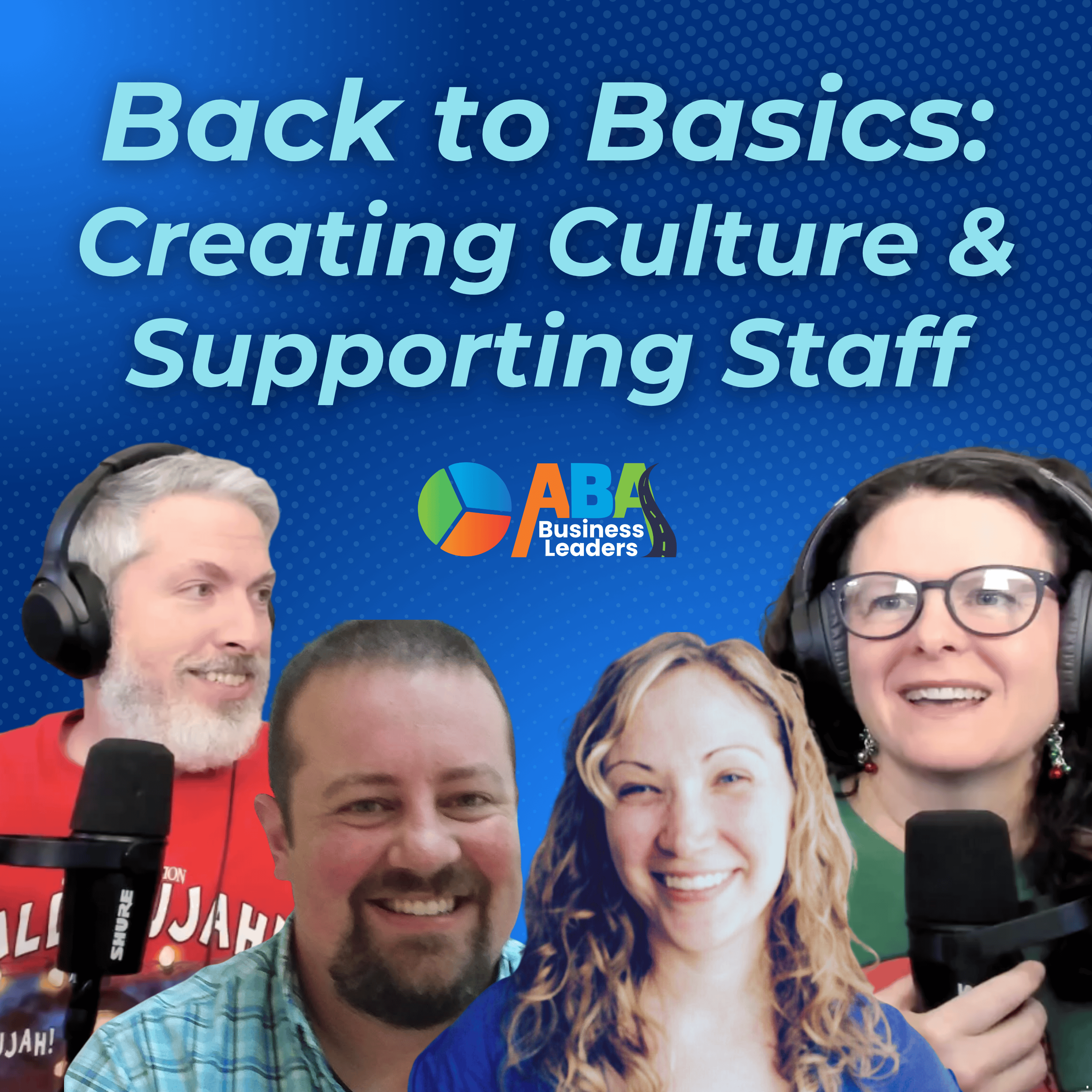
How to Create Company Culture and Support Your ABA Practice Staff

Insurance Processes: What ABA Business Owners Need to Know
Keeping Care on Track During the Holidays: How SILNA Helps ABA Businesses Navigate Prior Authorizations

Back to Basics: Financial Planning for Your ABA Business

ABA Business Accountancy & Bookkeeping Explained!

Holiday Gifts, Tax Rules & Financial Clarity: Why Good Accounting Keeps Your ABA Practice Running Smoothly

Building Relationships That Last in Your ABA Business

Back to Basics: Building for Growth

Defining Success in Your ABA Business
Avoid Holiday Headaches: How SILNA Keeps ABA Practices Care-Ready During the Festive Season

When the Unexpected Happens: Building Resilience in Your ABA Business
Holiday Cheer, Smart Spending, and Staying Audit-Ready: A Holiday Season Reminder for ABA Business Leaders
Building the Foundations of Your ABA Business
When Billing Becomes a Bottleneck: Building Smarter Systems in Your ABA Business

Making Prior Authorizations Easier: How SILNA Simplifies Insurance Transitions for ABA Businesses
Back to Basics: Policies and Procedures
When Good Work Isn’t Enough: What the Nebraska ABA Audit Teaches Us

ABA Business News: Michigan HB 5044 & Colorado Autism Therapy Lawsuit Discussion - Live at 8 AM Eastern!

Colorado’s Autism Therapy Lawsuit: What It Means for ABA Providers

Michigan HB 5044: Access in Schools vs. Coverage for ABA — What ABA Practice Owners Need to Know
Back to Basics: Operations Agreements for Your ABA Business

Live at 8 AM Eastern Today: Two Big Wins (and Warnings) for ABA Owners

Why First-Time Pass Rates Matter for ABA Practice Owners

The Hidden Risk in ABA: When Incentives Push Beyond Values

Back to Basics: Market Analysis for Your ABA Business

ABA Business News Live: Safeguards and Farms — What ABA Owners Need to Know

A Fresh Take on ABA: How Farm-Based Therapy Models Are Reshaping Services

A Wake-Up Call for ABA Practice Owners: Apple Valley Arrest Highlights the Importance of Strong Safeguards
Start an ABA Company: Back To Basics

ABA Business News Live at 8AM: TRICARE, Publix, and the ABA Showdowns

What TRICARE’s Autism Report Means for ABA Practice Owners

Publix v. ABA Centers of America: Allegations, Out-of-Network Billing, and Lessons for ABA Practice Owners

Silna: Streamlining Insurance for ABA Businesses

ABA Mythbusting: Breaking Down Common Misconceptions

When Medicaid Moves the Goalposts: Idaho Cuts, Colorado Squeezes, and Florida’s Sunshine Health Pause

Sunshine Health’s ABA Enrollment Pause: What ABA Practice Owners Need to Know

Medicaid Cuts in Idaho and Colorado: What ABA Practice Owners Need to Know
ABA Hotline & Community Questions: Supporting Practice Owners

The QBI Deduction: What ABA Business Owners Need to Know

Navigating Team Dynamics, Ethics, and Growth in ABA: An AMA with April and Stephen

ABA News Roundup: Medicaid Payments in Florida, Ownership Rules in Illinois & New York, and New Billing Support

Illinois Joins New York in Requiring Licensed Professionals to Own ABA Practices

Florida Medicaid Crisis: ABA Providers Struggle to Get Paid
Building Resilient ABA Businesses (Part 2): Finances, Burnout, and Lessons Learned

What ABA Providers Can Learn from Medicaid Cuts and HIPAA Settlements - Join us Live at 8:00 AM

HIPAA Lessons for ABA Providers: What We Can Learn from the Deer Oaks Settlement

North Carolina Medicaid Cuts: Why ABA Providers Must Act Now
Building Resilient ABA Businesses

Cutting Through Prior Authorization Red Tape: How SILNA Helps ABA Businesses Thrive

Join Us Live: Safeguards in ABA & California AB 951

Safeguards in ABA: Why In-Home Protections Cannot Be Overlooked

California Ends Mandatory Autism Re-Diagnosis for ABA Therapy Coverage: What AB 951 Means for Families and Providers
Building ABA Teams That Thrive (Part 2): Managing ABA Business Caseloads

Partners, Profits & Peace of Mind: Why Financial Clarity Matters More Than Ever for ABA Providers

Summer’s Not Over—But We’re BACK! (Join Us Live on Facebook Monday, August 4th at 8 AM Eastern)

Colorado RBT Requirements: What ABA Providers Are Actually Saying

Nebraska Medicaid Rate Cuts: What ABA Providers and Families Need to Know
Building ABA Teams That Thrive: Structure, Support & Culture!

Would You Rather: Real ABA Leaders Tackle the Tough Choices

New Tax Law, New Opportunities: What the OBBBA Means for ABA Providers
Prior Authorization Reform Highlights a System in Crisis—Silna Has the Solution for ABA Providers

AI Meets ABA: The Future of Behaviour Analysis with Adam Ventura

Finding Your Why: The Heart of ABA Business Ownership
Looking after your RBTs, Part 2: Knowing Your Worth

Silna: The Physician’s Perspective of Prior Authorizations

This Week in ABA News - Why Ethics Matter: ABA Insurance Mandates, Broken Trust, and the Real Work Ahead

When Trust Is Broken: What Every ABA Provider Must Learn from Recent Abuse Allegations

The Real Story on ABA Insurance Mandates: When Low Rates Undercut the Promise

This Week in ABA News: Prior Authorizations Under Fire and a Wake-Up Call from Kansas Schools

When Schools Ban ABA Therapists: Lessons From Kansas, and a Wake-Up Call for ABA Providers

RFK Jr., Dr. Oz, and the End of Prior Authorizations? What ABA Owners Need to Know
Real Talk for RBTs: Advocacy, Burnout & Building a Better Workplace

The Ethical CFO: Why Financial Leadership Is Every ABA Owner’s Responsibility (Even If You’re Small)

Play Is Productive: The Hidden Power of Play in ABA Business Ownership

This Week in ABA: Policy Shifts, Data Science, and Cybersecurity— Join us LIVE at 8 AM Eastern today!

Ransomware in ABA: What It Looks Like, How to Prevent It, and Smarter Email Security

Florida’s Sweeping Autism Law: What it Means for Families, ABA Providers, and the Future of Autism Services

The Autism Data Science Initiative: Why It Matters for ABA Providers and the Future of Autism Care

ABA Weekly: Lifelines, Benchmarks & Compliance—Join us Live at 8 AM Eastern

HIPAA in 2025: Why Every ABA Company Needs to Rethink Compliance—Now

The Real Benchmark: What HealthBench, AI, and ABA’s Future Mean for Kids

When Systems Fail Families, ABA Can Still Be a Lifeline
How to Improve ABA Supervision with Allyson Wharam of ‘ABA in the Field’

ABA Business Weekly: HIPAA, M&A, and Turning the Tide in Special Ed - Live at 8AM Eastern today!

HIPAA Breaches Aren’t Just a “Big Company” Problem: What ABA Businesses Need to Learn from the WellNow Settlement

Turning the Tide: How ABA Leaders Can Rebuild Trust in Special Education

Navigating the 2025 ABA M&A Surge: What Ethical Practice Owners Need to Know

Ego Driven Hiring: A Wake-Up Call for ABA Business Owners

Waiving Co-Pays and the Power of Partnership - Live New Today at 8 AM Eastern

NASQN & 3 Pie Squared Partner to Empower Ethical ABA Practice Growth

When Discounts Cross the Line: What ABA Practice Owners Need to Know About Waiving Deductibles

Clarity, Capacity, and Efficiency with Silna

Chaos, Contracts & Chatbots: What’s Really Steering ABA? - Live news today - 8 AM Eastern in Facebook

The Contract Temptation: Why Classifying BCBAs as 1099s May Be a Risk for ABA Companies

When Systems Fail Quietly: Optum, Medicare Fraud, and the ABA Fallout We Can’t Ignore

Whose Hand Is on the Wheel? What a Reddit AI Experiment Means for the Future of Clinical Judgment in ABA

Finding Joy in the Journey

Two Truths and a Wake-Up Call: Medicaid Cuts, Treatment Intensity, and the Future of ABA - Live discussion today at 8 AM Eastern

The Real Impact of Medicaid Cuts on ABA Therapy: What Providers and Families Need to Know

Quality Is a Choice: What Treatment Intensity Says About Who We Are in ABA

3 Things We Thought Would Be Easier!

Celebrating Mothers (and Everyone Else Who Deserves a Break): 50% Off the ABA Business Leaders Platform This Weekend Only!

Experts, X-Rays, and Indiana Drama: Live discussion today at 9:00 AM Eastern

Who Gets to Speak in ABA—and What Does That Say About Us?

Indiana Is Back in the News: What ABA Providers Need to Know About the State’s Latest Push for Cost Controls

How Applied Behavior Analysis Can Improve Healthcare Systems

Dealing with workplace drama!

🧩 Trends, Truths & Turning Points: What’s Shaping Autism and Behavioral Health in 2025

Arkansas Mom Releases Powerful Children’s Book on Autism and Mealtime Struggles

“What are we really doing here?”: The Push to Standardize Quality in Autism Therapy

Behavioral Health Deal Volume Up 53% in Early 2025: What This Means for ABA Practices

The Growing Gap in Autism and IDD Care: Why the Industry Must Scale Ethically and Strategically

Should a BCBA Always Own the Clinic? Maybe Not.

Staff, Tariffs, and RFK Jr.: What ABA Companies Need to Know Right Now - Live today at 8 AM Eastern!

ABA Staff Turnover Is Still Out of Control — Here’s What the Data Says

How the New Tariffs Could Impact ABA Businesses (And What You Can Do About It)

RFK Jr.’s Autism Registry Proposal: Understanding the Implications for ABA Companies

How Margin Keepers Can Help You Master Payroll & Financial Planning
Quality over Quantity- Is more supervision always better?

Denials, Audits & Billing Headaches: ABA News Roundup – April 14, 2025

Nebraska Issues New ABA Medicaid Service Definitions Amid Federal Audit Scrutiny

Concerns Grow Over Insurance Misuse of Medically Unlikely Edits (MUEs) in ABA Therapy Denials

Federal Audit Finds $56 Million in Improper Medicaid Payments for ABA Therapy in Indiana

UnitedHealthcare’s Strategy to Limit ABA Therapy Raises Alarm in the Autism Community

It’s Time to Get Real: ABA Business Owner Burnout

From Policy Shifts to Legal Hits: ABA News Roundup – April 7, 2025 - Live event today at 11AM Eastern!

Texas Recognizes QABA® for Behavior Analyst Licensure

Maryland Clinic Settles HIPAA Violations After Ransomware Attack

New York’s Proposed Medicaid Cuts Raise Concerns for Autism Services

Massachusetts Expands ABA Therapy Coverage to Children with Down Syndrome

Indiana’s Updated Medicaid Policy for ABA Therapy: What You Need to Know

Expanding to a Clinic? Do this first!

From Big Deals to Big Trouble: ABA Business News - March 31, 2025

The truth behind the client and staff cancellations

Top ABA Headlines

Local Owner Highlight- When to scale your ABA Business

Understanding the journey- Improving caregiver relationships with Melanie Thurston

How Effective Bookkeeping Ensures Payroll Stability and Helps You Retain ABA Staff
The Importance of Bookkeeping Services for ABA Business Owners

Mastering Marketing – Local Outreach Done Right

How to Scale Your ABA Business

You Just Closed Your ABA Company... Now What?

Building the Future of Small ABA Businesses – Join Us in This Mission

Red Flags in ABA Service Providers

Coaching Session- Discussing Onboarding with a New Owner

Would You Rather: Hiring in ABA

Grow your own BCBAs vs. hiring- What you need to know

Aligning Leadership with Values: Behavioral Intelligence in ABA with Dr. Paul Gavoni

ABA Accreditation: Compliance or Commitment to Quality?

AI meets clinical decision making- Using AI to improve patient outcomes- with Amanda Ralston

Comprehensive Updates to ABA Practice Handbooks: Enhanced Policies, Compliance, and ACQ Standards Integration

Leadership in ABA: Building Values, Managing Relationships, and Driving Progress with Martin Myers

Leadership, transparency, and collaboration in ABA organizations, with Jennifer Heidt
Building Better Care; Public Policy and Staff Empowerment

Free RBT Training for Your ABA Team This Holiday Season!

Innovating ABA Practice with AI Solutions

How can we help? Using ACT with Meg Solomon.

Building Resilience in ABA Practices: Lessons in Staffing, Billing, and Growth
Flash Sale: 6 Months Free Access to Our ABA Business Leaders Training Platform for 25 Companies!

I Hate My Job: Exploring Real Solutions

I Hate My Job: Reaction to Posts

I Hate My Job: Real Stories of Ethical Dilemmas in ABA
Introducing the New ABA Business Leaders Training Platform
I Hate My Job: Voicing the Frustrations of ABA Professionals

Introducing Our New Self-Paced Courses: Revenue Cycle Management & Effective Hiring with Indeed

CPABA Conference: A Path Forward for the Field - Get a 10% Discount!
Empower & Thrive: Registration Extended Until October 7 - 50% off!
Exciting New Coaching Opportunity for 3 Pie Squared ABA Business Leaders!

Free Download! Discover Essential Tax Compliance Tips with MarginKeepers

Why Stephen is Excited About the CPABA Conference 2024 - Discount just for you! -

3 Pie Squared Partners with Happy Medium RBT to Offer a Revolutionary 40-Hour RBT Training

Maximizing Recruitment with Indeed: How to Find the Right Candidates Without Breaking the Bank

Empathetic Leadership in ABA: Supporting Our Techs

Five Weeks of Wisdom: Bite-Sized Insights from 3 Pie Squared
Introducing the ABA Business Leaders Training Platform

Free Download! Boost Your Established ABA Practice with MarginKeepers' Essential Accounting Tips

Inside the World of ABA Audits and Legal Guidance with Kim Mack Rosenberg, Esq.

Ethical Practices for ABA Testimonials and Reviews with Dr. Jon Bailey
Navigating Growth and Challenges in ABA Business with Alecia Barrett

For a limited time, buy any of our handbooks and get our Business Leaders Membership for 75% off!

Collaboration in ABA: Strengthening Connections Among ABA Business Owners

"I Hate My Job" Series Kickoff: Discussing Burnout and Unethical Practices in the ABA Field

Top Five Essentials for Your Company Policies

Discount Ends Tomorrow – Last Chance to Get 20% Off Our Comprehensive ABA Billing Training Series!

Mastering Digital Marketing for ABA Practices with Reece from Reputation Elevation

Navigating ABA Business Growth: Consultation with Alecia Barrett
Unlock Your Billing Potential: Our New ABA Billing Course and Free ABA Billing Tips!

Navigating Company Policies: A Blueprint for ABA Practices

Free Chart of Accounts: Optimize Your Bookkeeping with MarginKeepers

Safeguarding Integrity: Proactive Strategies to Mitigate Billing Fraud in ABA Therapy

Steering Clear of Fraud: Mastering Insurance Billing in ABA Practice

From Overwhelm to Strategy: The Journey of an ABA Business Leader

Beyond the Startup: Common Mistakes by Seasoned ABA Business Owners

Essential Elements of an Employee Handbook for ABA Practices

Don’t Do That!: Avoiding Common Missteps in Your ABA Practice

Pre-Hire Power: The Critical Importance of an Employee Handbook for ABA Practices

Integrating Art into ABA Therapy: A Conversation with Natasha Bouchillon

Why a Client Handbook is Crucial Before Starting ABA Services

🥧 Grab a Slice of Success: Pi Day Flash Sale! 🎉

Why Should I Get a Client Handbook Before I Start Seeing Clients?
Financial Insights for ABA Practices: Free Chart of Accounts from MarginKeepers!
Navigating Authentic Copywriting in ABA Services: Insights and Innovations
Big Changes to the Podcast!

Get Free Expert Consulting for Your ABA Business on Our Podcast – Apply Now!
Navigating the Credentialing Conundrum: Insights from ABA Leaders
Navigating ADA Compliance: Essential Insights for ABA Business Owners
Nurturing Success: The Interplay Between Company and Team Dynamics
🌟 Dive Into the World of Sleep with Dr. Emily Ice: A Podcast Episode Not to Miss 🌜
A little late but our update is here!

Maximizing Your ABA Practice’s Potential: The Power of Bookkeeping with MarginKeepers

33% Off ABA Business Leaders for the Next 25 People!
Client Hours Discussion with April, Mallory Stinger, and Jennifer Helton
Improving Quality Through Accreditation: A Discussion with Erick Dubuque, Director of ACQ

Optimize Your ABA Practice with the Case Load Utilization Tool - 50% until Friday!
Black Friday Special - Rate Negotiations 2.0 - Elevating Your Practice with Provider Rate Resources
Navigating Medical Necessity with Dan and Mike from ABA on Tap

Upcoming Podcast with Erick Dubuque, Director of ACQ & Exciting News on How We Can Help Companies Navigate This New Standard! 🌟🎙️

Partnering with MarginKeepers, Co.: A Game Changer for Your ABA Practice

Celebrate Canadian Thanksgiving with a Bang: 50% Off ABA Business Leaders Membership and Earn 33.5 CEUs!
Empowering Change: Insights from New BCBA Business Owners
Founding a Nonprofit Practice with Susan Habchy

ABA Business Amazon List

De-Stress & Avoid ABA Burnout with a Relaxing Post-Work Routine

Three Common Struggles of a New ABA Practice

Benefits of Outsourcing with 3 Pie Squared

Why 3 Pie Squared

The Essential List for a Successful Business

2019 Satisfaction Survey results

The Cost of RBT Turnover

What You Need to Know About HIPAA

Podcast with Dr. Becca Tagg

Run Your Therapy Business Like a Well-Oiled Machine!

How to Grow Your Practice
You take on every role, handle every task, and convince yourself it’s temporary. The truth is, those habits can become hard to break later on.
April explains that many new leaders forget to pause and define what leadership means for them. Without reflection, boundaries start to blur. Before long, you’re managing staff, writing treatment plans, and handling payroll all at once. It’s not sustainable.
The first step to preventing burnout is to recognize that you can’t do it all and you shouldn’t try to.
Simple Self-Care That Works
One of April’s favorite boundary tools is surprisingly simple: setting alarms. She sets reminders to eat lunch, take breaks, or even just step away from her desk.
It sounds small, but these intentional pauses are powerful. They’re a daily reminder that your well-being matters too. Leadership in ABA starts with taking care of yourself. If you run on empty, your team and your clients will eventually feel it too.
Learning to Say “No” Without Guilt
Saying “yes” can feel like the right thing, especially in a field built on helping others. But April shares that saying “yes” too often can cause your professional boundaries to slip.
When you take on too much, something always gives—your time, your energy, or your focus. Learning to say “no” isn’t selfish; it’s strategic. It allows you to stay focused on what truly matters to your clients and your business.
If you struggle with overcommitment, start small. Identify one thing this week that you can delegate or decline.
Managing Caseloads and Protecting Energy
Stephen and April also talk about caseload boundaries, something many ABA business owners overlook. Taking on too many clients, or too many with high needs, can stretch your resources thin.
Being selective doesn’t mean you care less. It means you’re protecting your ability to deliver high-quality care. The same applies to your staff—if they’re overwhelmed, your outcomes will reflect it.
Shifting From Clinician to Leader
Starting an ABA business requires a complete mindset shift. April describes it as “recalibrating your entire role.” You go from providing therapy to leading people, and that’s not an easy adjustment.
Leadership brings new challenges—hiring, financial decisions, and strategic growth. It’s easy to feel like you’re in uncharted territory. That’s why reflection and flexibility are so important. Being open to change helps you grow alongside your business.
If you’re building your foundation or reassessing your business structure, check out our Business Essentials List. It’s a great place to make sure you’ve got the key systems in place before you scale.
Helping Without Burning Out
Stephen wraps up the conversation by pointing out something that hits home for many BCBAs: most are natural helpers. They want to take on as much as possible so people can get the support they need.
But that mindset can quickly lead to burnout if it’s not balanced with boundaries. Saying “no” doesn’t mean you’re letting people down. It means you’re creating space to keep helping in a sustainable way.
Boundaries aren’t a barrier. They’re a framework that helps your business, your team, and your mission stay strong over time.
Have a question for Stephen and April? Call the ABA Business Leaders Hotline: (737) 330-1432


